Ndiyabulela!
We build AI products with purpose. Sometimes we are fortunate enough to see that impact on the ground.
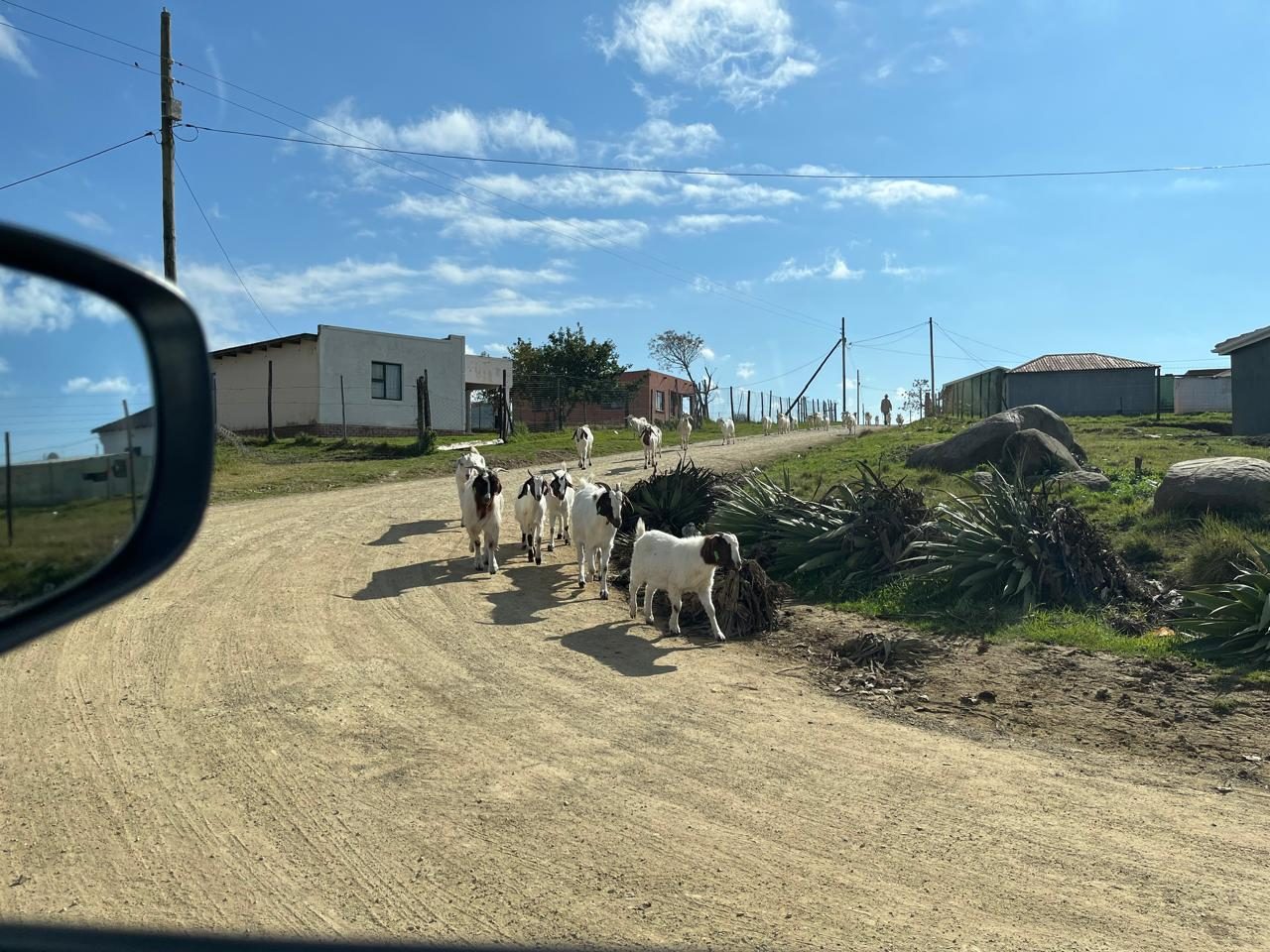
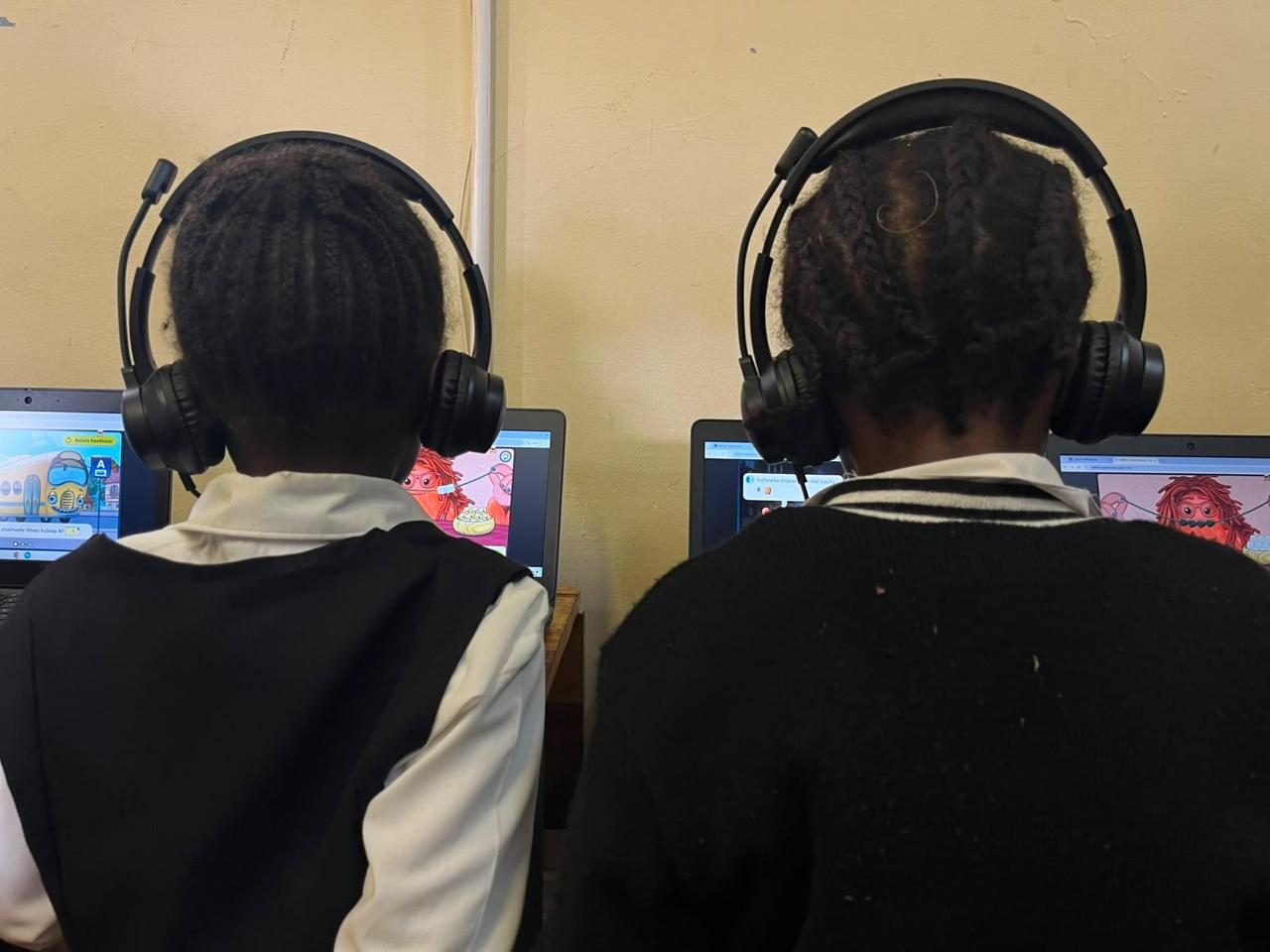
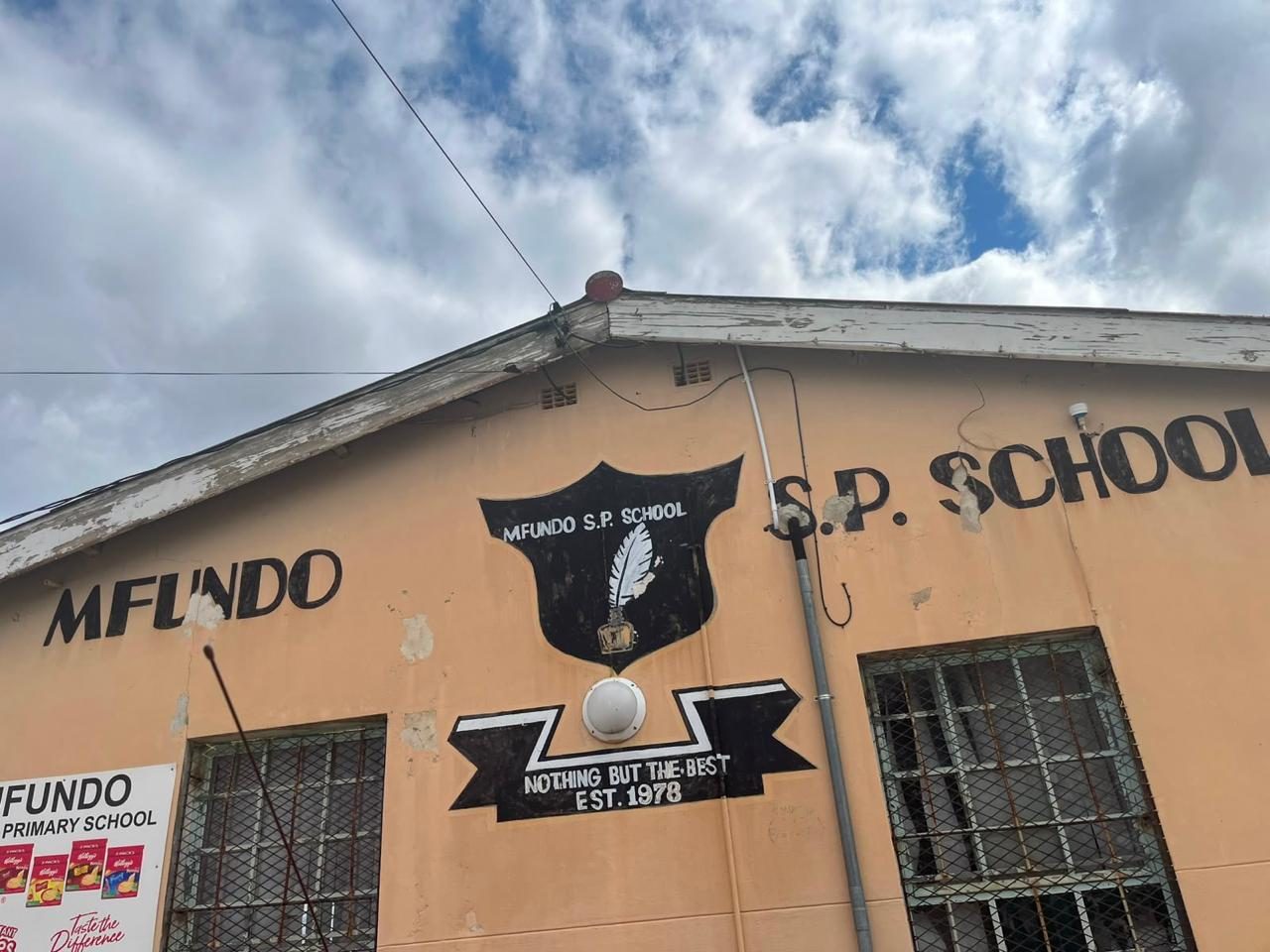
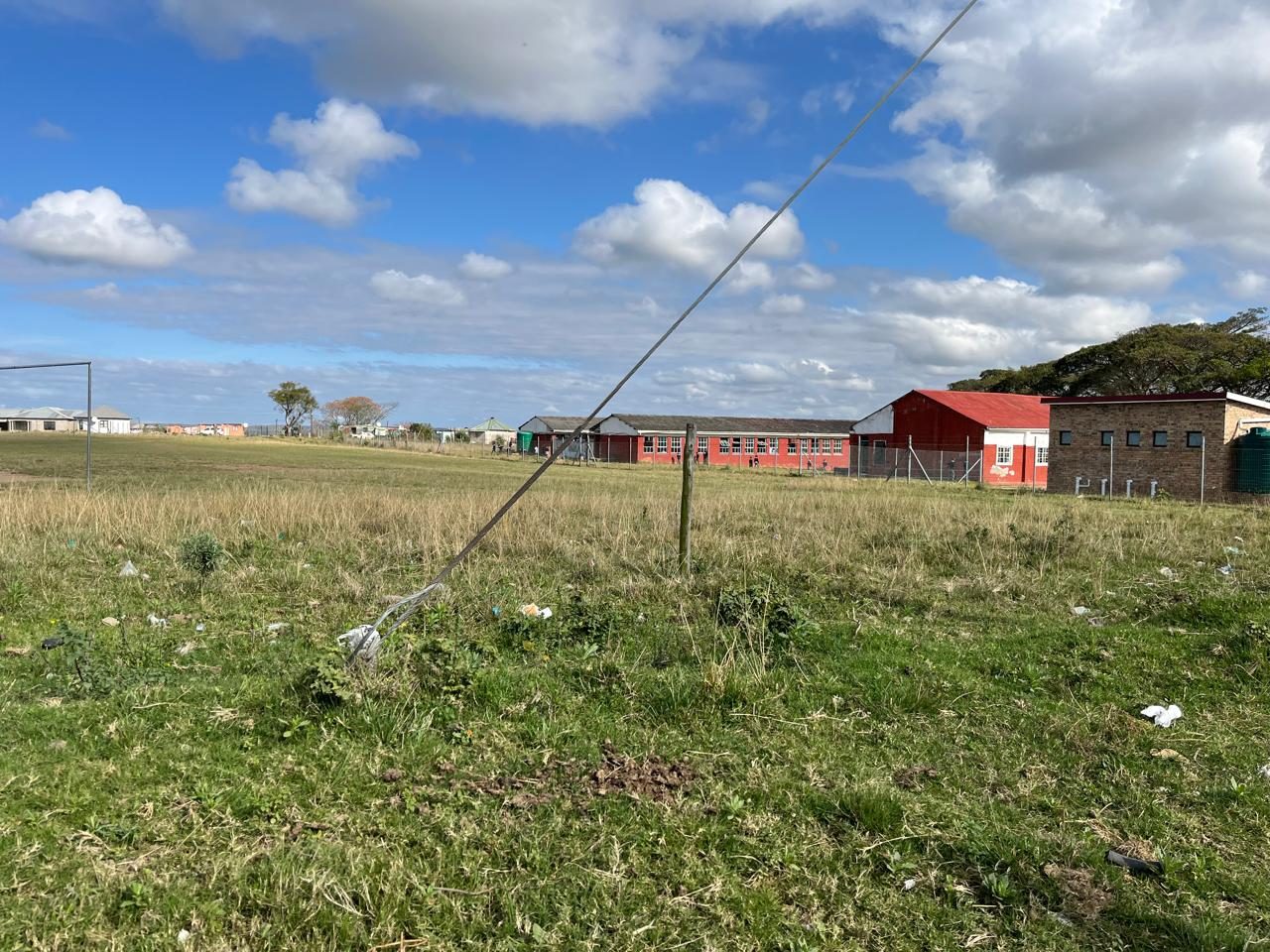
Today, twenty schools in the rural Eastern Cape are doing maths in isiXhosa.
It started with HelloTutor
HelloTutor was built to teach authentic isiXhosa. The first problem was the sound. Not one of the available voices could say the complex clicks. Each of them quietly reached for another language.
We wrote about that problem first. Then we built what we had written about.
The unspoken compromise
A language option is not the same as inclusion. A voice that cannot say a click is not speaking isiXhosa.
Learners hear the difference long before adults do. Close enough is still wrong to a child learning to read.
Voices are usually built where the recordings are thickest. IsiXhosa has millions of speakers and far fewer recordings. The sound gets smoothed until it fits a language that is not this one. Inclusion that flattens the sound is not inclusion.
Building the voice
The clicks had to be rebuilt from the ground up. Some words could not be produced by engineering alone, so we recorded a linguist saying them properly and used her recordings.
Things that were quietly wrong only came to light when a first-language speaker listened. That is why the team that caught them looked the way it did.
In launch week, the audio was tested in Eastern Cape classrooms with facilitators and learners. IsiXhosa speakers who teach in the language every day confirmed it was correct, including the numbers, which the curriculum requires to be spoken in isiXhosa.
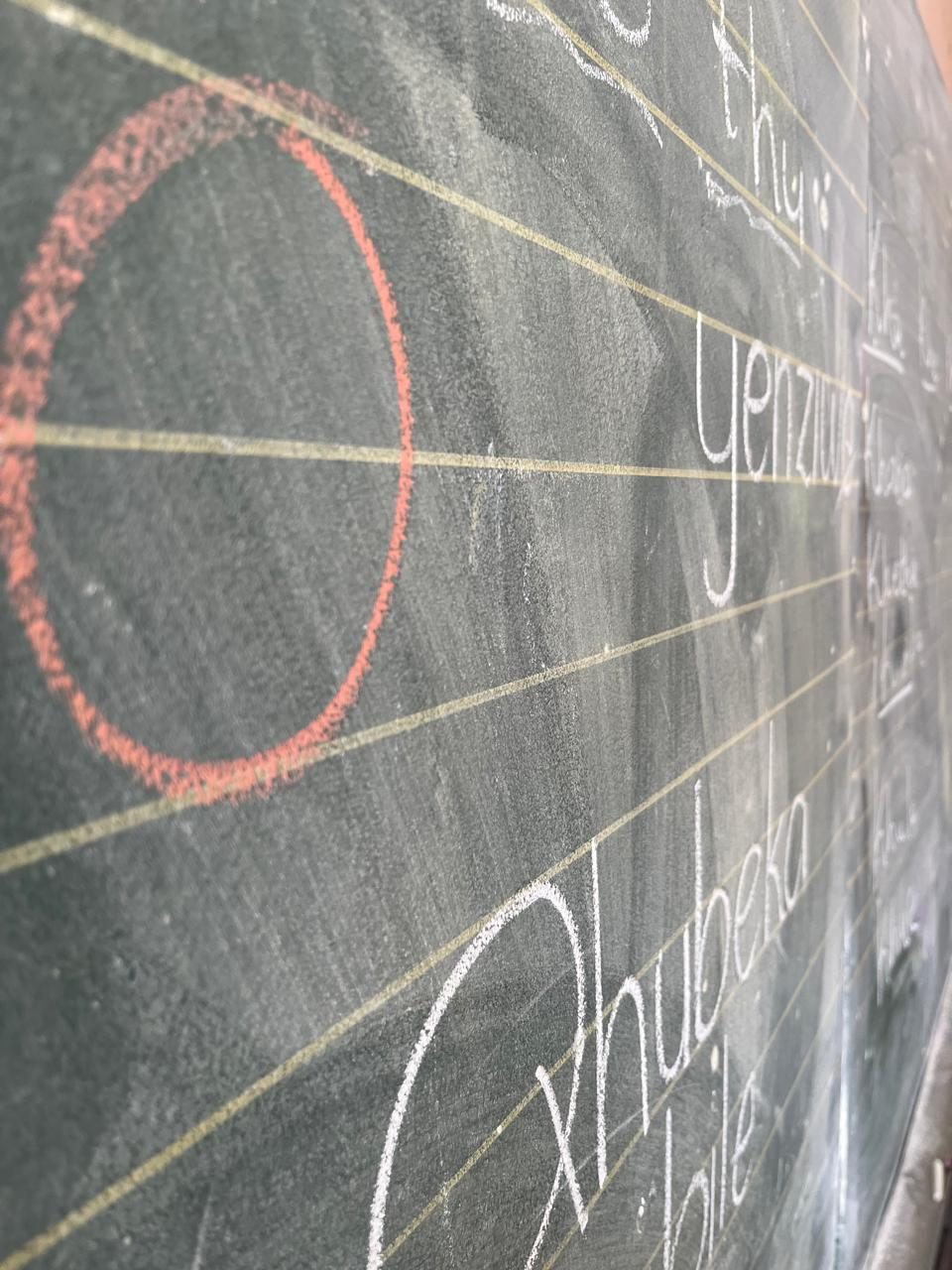
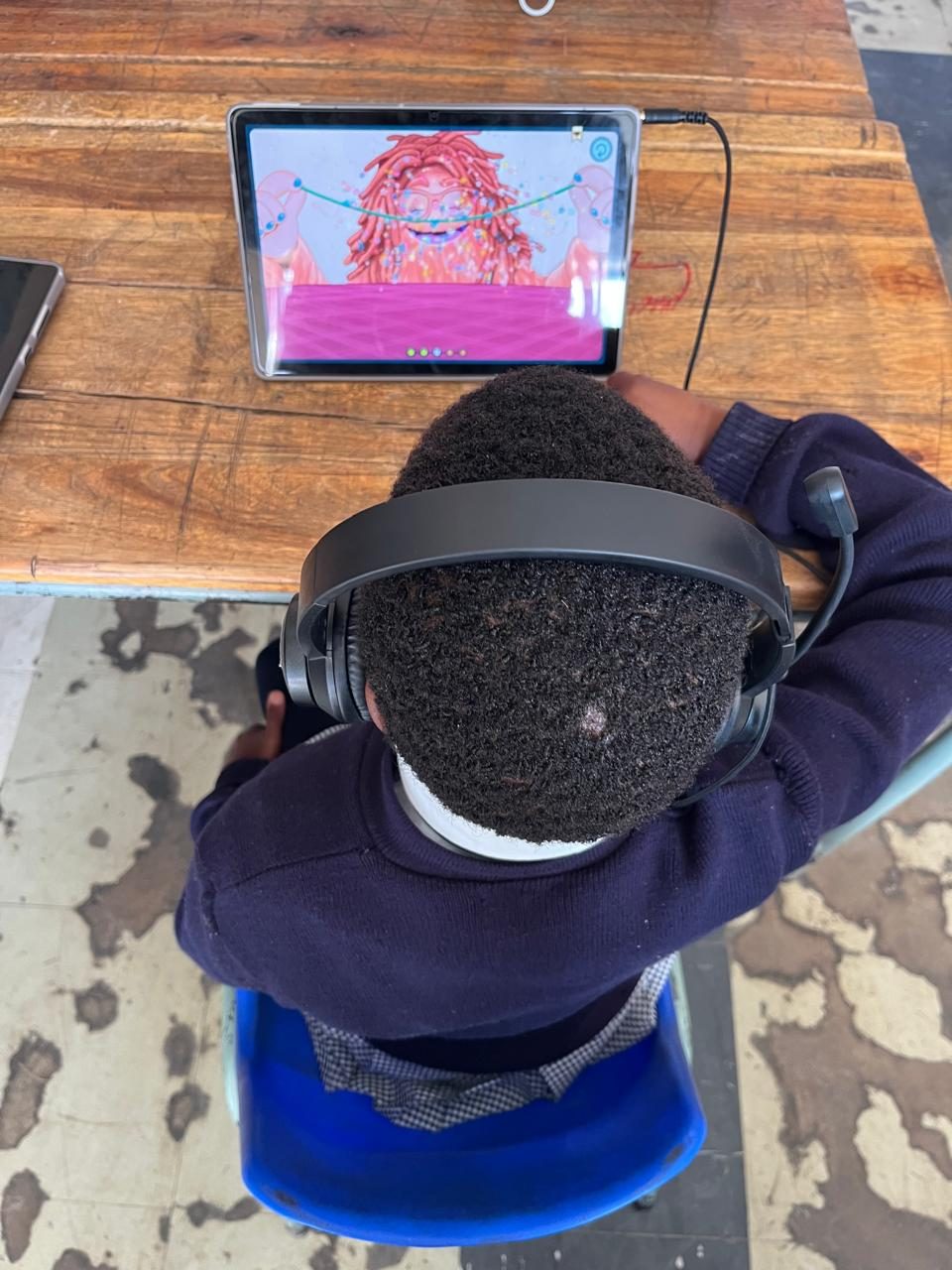
Who made it possible
- Matific provided the curriculum.
- Click Learning provided the schools, the hardware and the teachers.
- The Eastern Cape Department of Education supported the rollout.
- Summitwebcraft built the isiXhosa voice and the clicks.
What it sounds like in the classroom
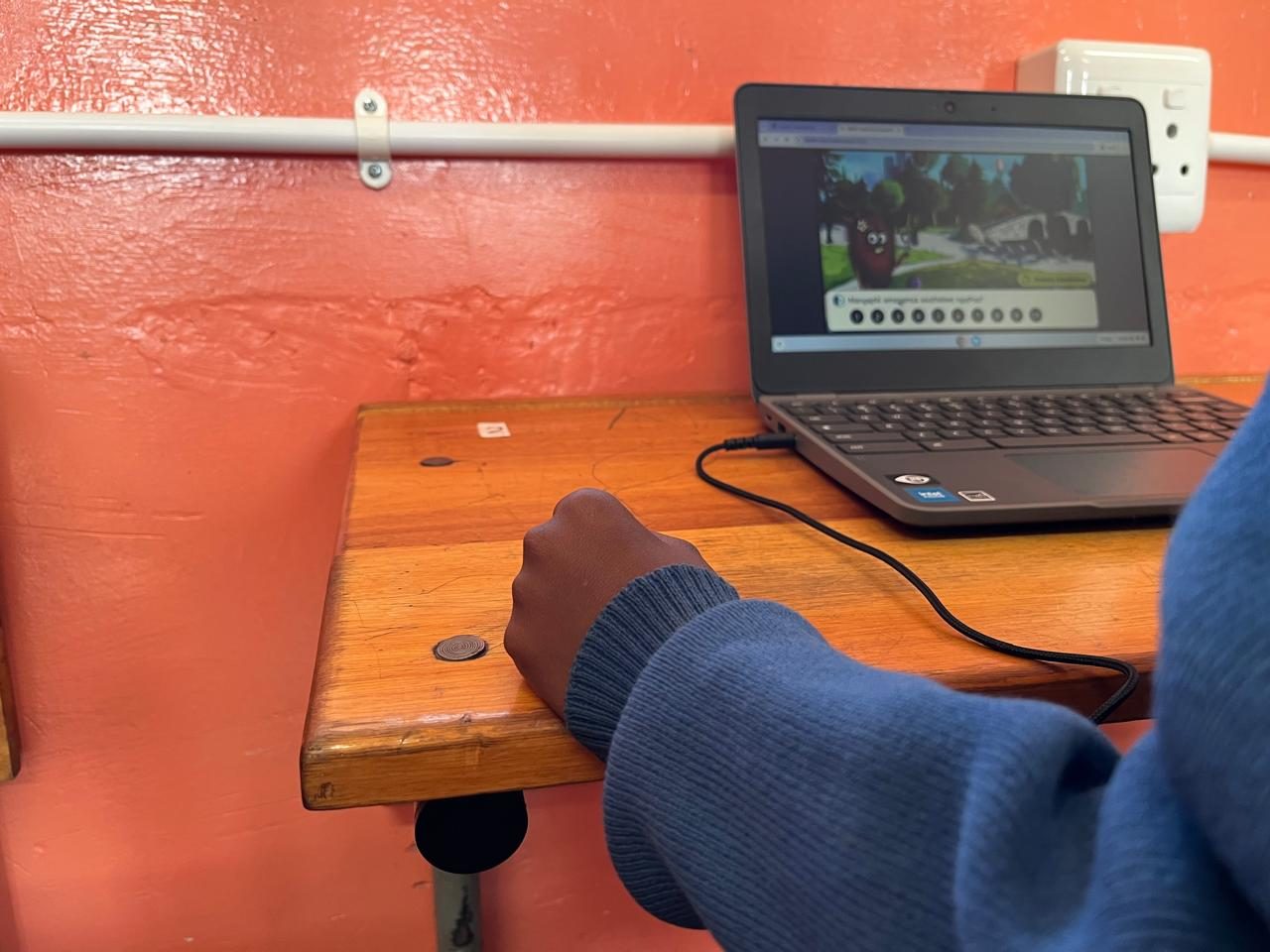
We gave the app a voice that a child in Mdantsane recognises as her own. The moment that stayed with us was not the technology. It was a learner reading a sentence in her own language, pressing the speaker icon when she was not sure, and hearing it come back to her correctly.
Since launch, learners have been choosing to press that icon more often. Nobody is telling them to.
What comes next
There is a great deal more isiXhosa maths still to roll out across the Eastern Cape.
Ndiyabulela!